Best Time to Visit Nepal from Ayodhya – Season-Wise Travel Guide
The best period for travelling to Nepal from Ayodhya depends on what you want to experience and which destinations you plan to include. Weather can be pleasant for sightseeing during some months, while mountain areas may have different conditions from cities and lower-altitude destinations. For most travellers, spring and autumn are attractive periods because they generally offer favourable conditions for sightseeing and outdoor travel. However, winter can work well for cultural and city-based trips, while the monsoon period requires more attention to rainfall and road conditions.
If you are still deciding where to go, explore a Nepal trip from Ayodhya and select travel dates based on your preferred destinations and duration. Instead of choosing dates only by season, consider your route, travel duration, preferred activities and tolerance for changing weather.
Conditions can vary considerably between the Terai, Kathmandu Valley, Pokhara and mountain regions. There is no single best month for every type of holiday.
Nepal weather through the year
Spring
March to May · Pleasant sightseeing, nature journeys and colourful landscapes.
Monsoon
June to August · Lush scenery, with rain, cloudy views and possible road delays.
Autumn
September to November · Clearer skies, good visibility and mountain views.
Winter
December to February · Quieter cultural trips and cool city sightseeing.
Spring: March to May
March to May is a popular period for exploring Nepal. Temperatures become more comfortable after winter, and many destinations are suitable for sightseeing.
- Pleasant conditions in many tourist areas
- Good period for sightseeing
- Comfortable conditions around Kathmandu and Pokhara
- Suitable for nature-focused journeys
- Colourful landscapes in many areas
Spring can be particularly suitable for travellers who want a combination of city sightseeing and outdoor experiences.
Monsoon: June to August
The June to August period brings the monsoon to much of Nepal. Rainfall does not necessarily mean that travel is impossible, but it can influence road journeys and outdoor sightseeing.
- Heavy rainfall in some areas
- Wet and slippery roads
- Possible delays during road journeys
- Cloudy mountain views
- Changes to outdoor activity schedules
For travellers going by road from Ayodhya, checking weather and route conditions before departure is especially important. Flexible travellers who do not mind occasional rain can still visit, particularly for cultural attractions, temples and city sightseeing. Allow additional flexibility for extensive mountain road journeys.
Autumn: September to November
September to November is generally considered one of the most favourable periods for travelling around Nepal. As the monsoon ends, conditions often become more suitable for sightseeing and mountain travel.
- Generally clearer skies
- Comfortable daytime conditions
- Good visibility in many locations
- Suitable for sightseeing
- Attractive mountain views when conditions are clear
This period works particularly well for multi-destination road journeys combining Lumbini, Pokhara and Kathmandu. Because autumn is popular, accommodation and transportation can experience higher demand, especially around major holidays.
Winter: December to February
Winter brings cooler weather, particularly in Kathmandu Valley and higher-altitude areas. Lower-altitude destinations can remain comfortable during the daytime, while mornings and evenings may be considerably colder.
- Cooler sightseeing conditions
- Fewer crowds in some places
- A good option for travellers who prefer a quieter trip
- Suitable for cultural and heritage-focused itineraries
Travellers visiting mountain destinations should prepare for colder temperatures and check local conditions before departure. Pack warm layers, a jacket, comfortable walking shoes, warm socks, gloves where necessary, moisturiser and other cold-weather essentials.
Where to go in Nepal
The ideal dates should ultimately be selected according to your destinations rather than the calendar alone.
Pokhara
Lake visits, viewpoints and relaxed sightseeing.
Kathmandu
Cultural and historical attractions in the valley.
Lumbini
A quieter, heritage-focused and spiritual experience.
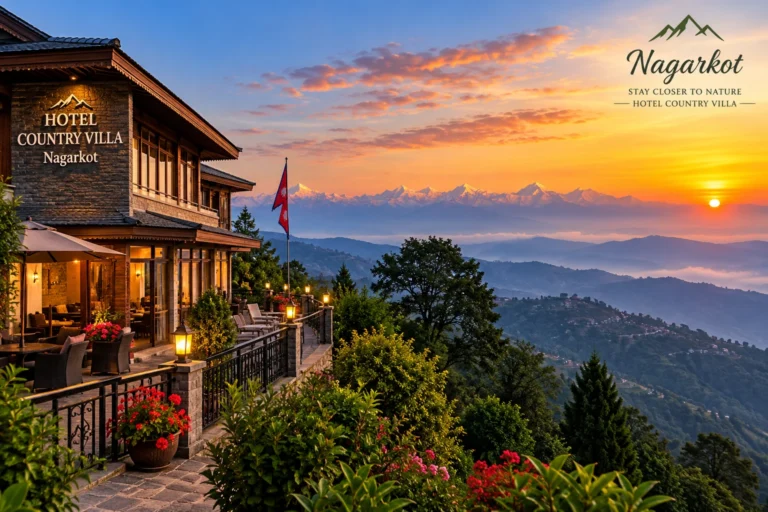
Nagarkot
Hill scenery and far-reaching views in clear weather.
Travelling by road from Ayodhya
The season matters particularly when travelling by road. A typical itinerary may look like:
Weather can influence driving time, road conditions, visibility, mountain travel, planned sightseeing and border-to-destination schedules. During heavy rainfall, keep extra time in your itinerary instead of planning each day around exact arrival times. For longer routes involving Muktinath or several destinations, flexibility becomes even more important.
Peak-season demand
Favourable conditions can also bring higher hotel demand, limited room choices, greater transportation demand, crowded attractions and busier tourist areas. Booking accommodation and transportation in advance can make planning easier.
Can you travel during monsoon?
The monsoon simply requires a different approach. Travellers interested mainly in cultural attractions may still enjoy their visit. If your itinerary depends heavily on mountain views, long road journeys, outdoor activities or scenic drives, take rainfall and cloud cover into account. Always check the forecast and current road conditions close to departure.
Travelling during festivals
Nepal has a rich calendar of religious and cultural celebrations. Travelling around a festival can add a different dimension to the journey, particularly for visitors interested in local traditions.
Festival periods may also involve larger crowds, changes in opening hours, increased transportation demand, higher hotel demand and busy roads around major cities. Check dates and local arrangements before building your itinerary around a specific celebration.
Five factors to consider
Your destinations: A Kathmandu-focused holiday has different weather considerations from a route that includes mountain areas.
Your transport: Road travel requires greater attention to rainfall and road conditions than a trip focused mainly on flights.
Your priorities: Decide whether your focus is sightseeing, pilgrimage, nature, mountain scenery or a combination.
Your group: Families with children or elderly travellers may prefer periods with more comfortable weather.
Your budget: Peak periods affect hotel and transport availability, so compare prices before confirming dates.
Final pre-departure checklist
Weather can change, so check the following shortly before departure—especially for longer road itineraries.
Frequently asked questions
What is the best season to visit Nepal from Ayodhya?
Spring and autumn are generally preferred for comfortable sightseeing and broader travel plans. The best choice still depends on the destinations in your itinerary.
Can I visit Nepal during monsoon?
Yes. Cultural and city-focused trips can still be planned, but allow flexibility for rainfall and possible road delays.
Is winter a good time for Nepal?
Yes. Winter suits cultural sightseeing and lower-altitude destinations, although mornings, evenings and higher areas can be cold.
Which season is better for an Ayodhya–Nepal road journey?
Periods with more predictable weather are generally easier for long road journeys. Autumn and spring are often preferred, while monsoon travel needs additional flexibility.
When are mountain views clearest?
Clearer periods in spring and autumn can be particularly appealing for travellers interested in mountain views and outdoor sightseeing.
What should I know before including Muktinath?
Muktinath requires careful planning because of its altitude and mountain-road conditions. Check the latest local conditions before including it in your route.
Choose travel dates according to your destinations, travel style and road conditions. Spring and autumn suit broader sightseeing, while winter and monsoon trips can work well with the right planning. A little flexibility can make a multi-destination journey much easier to manage.